5 Best Liver Support Supplements for Perimenopause (Compared + Reviewed)

Paid link disclosure: we may earn a commission, at no extra cost to you. How we choose recommendations.

For perimenopause liver support, standardized milk thistle (silymarin) has the most consistent human-trial data and is our top pick, from about $15. Detox teas, cleanse kits, and NAD+ IV drips are not worth the money. Estrogen decline shifts glutathione, bile, and the estrobolome — the actual mechanism behind midlife morning heaviness.
Estrogen does more for your liver than most people realize: it modulates the estrobolome, supports glutathione synthesis, and influences bile acid composition, and when estrogen declines all three shift. We spent six weeks comparing the supplements that target this shift against the human-trial literature — five worth knowing, ranked, with two we would not buy.
Reviewed July 2026 · 5 supplements compared against the human-trial literature over six weeks · supplement responses vary and this is not medical advice; check with your clinician before adding anything, especially with an existing liver condition or medications.
Our top picks at a glance
| # | Supplement | Rating | Price | |
|---|---|---|---|---|
| #1 |
Milk thistle (standardized silymarin)
Best Overall for Liver Support
|
★★★★★ 4.4/5 | From $15 | Check price → |
| #2 |
Detox teas and cleanse kits
What We Would Skip
|
★★★★★ 1.5/5 | $30-$80 | See review ↓ |
| #3 |
NAD+ IV drips for liver
What We Would Skip
|
★★★★★ 2.0/5 | $200-$800/session | See review ↓ |
Milk thistle (standardized silymarin)
The single liver-support ingredient with the most consistent adult-trial data.
Paid link · affiliate disclosure
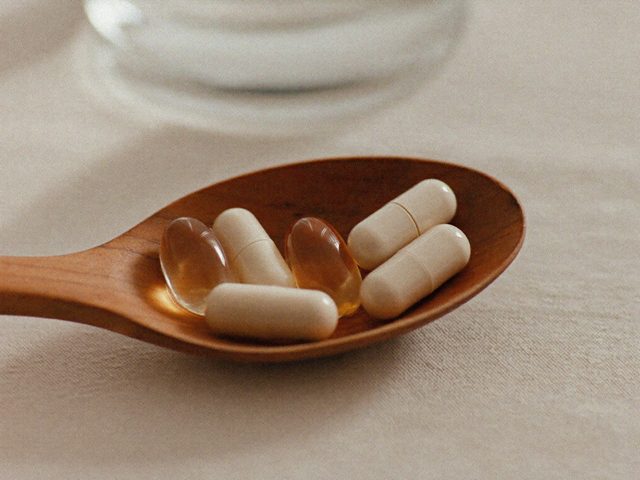
Milk thistle (standardized silymarin)
The single liver-support ingredient with the most consistent adult-trial data.
Best overall for the morning-heaviness pattern: silymarin, the standardized extract from milk thistle. Research suggests silymarin supports the glutathione pathway hepatocytes use to process and clear metabolites, and it is the liver-support ingredient with the most consistent adult-population data behind it. It supports normal liver function; it does not detox, flush, treat, or cure anything. The one rule that matters: buy a bottle that states '80% silymarin' or 'standardized silymarin' on the label, otherwise the active content varies bottle to bottle and the dose stops being a real dose.
What we like
- Most consistent adult-population research of the liver-support actives
- Single, well-characterized ingredient that is easy to evaluate
- Inexpensive when standardized
Tradeoffs
- Standardization varies between brands — check the label for the silymarin percentage
- Just silymarin — no NAC or choline in a single bottle
- Studies run on a 12-week timeline, not days
Detox teas and cleanse kits
Marketing language with no mechanism. Save the money and the bathroom inconvenience.
Your liver does not accumulate toxins to be flushed. It conjugates and excretes them continuously, daily. Detox teas and cleanse kits are senna and diuretics with marketing language wrapped around them. They make you go to the bathroom; they do not 'detoxify' anything. Worse, the laxative pattern can disrupt the same gut flora your estrobolome depends on.
What we like
- None worth listing
Tradeoffs
- Mechanism (liver toxin accumulation) is not how the organ works
- Senna-based formulas damage colonic motility over time
- Disrupts gut flora your estrobolome depends on
- Replaces nothing real with a feeling of doing something

NAD+ IV drips for liver
Real mechanism. Wrong format for liver-pathway support specifically.
NAD has a documented role in liver function, but the IV-drip format is poorly matched to liver-pathway support specifically. The studies that show benefit use sustained oral input (NMN, NR) over weeks, not heroic single-session IV pushes. At $200 to $800 per session, the price-to-evidence ratio is rough compared to a daily oral formulation.
What we like
- Underlying mechanism (NAD in liver) is real
Tradeoffs
- Wrong format — sustained input beats spike doses
- Cost is 10-50x a daily oral alternative
- Studies use oral precursors, not IV drips
How we picked these
We compared the supplements women in their 40s are actively buying for perimenopause fatigue against the human-trial research. Three filters: (1) at least one peer-reviewed adult-population study at the dose the product uses, (2) standardized extracts and disclosed actives (not proprietary blends), and (3) a sustainable daily ritual format — because the literature uses 4-to-12-week windows and a supplement you cannot stick with for two months is useless.
We do not personally test products. We earn affiliate commissions on some of the links above; the picks are based on the literature, not on commission size. Our full disclosure page covers how we choose what to recommend.
Side-by-side comparison
| Supplement | Best for | Our rating | Price | |
|---|---|---|---|---|
| Milk thistle (standardized silymarin) | Best Overall for Liver Support | ★★★★★ 4.4/5 | From $15 | Check price → |
| Detox teas and cleanse kits | What We Would Skip | ★★★★★ 1.5/5 | $30-$80 | Not recommended |
| NAD+ IV drips for liver | What We Would Skip | ★★★★★ 2.0/5 | $200-$800/session | Not recommended |
Frequently asked
Is this a detox?
No. The word 'detox' in supplement marketing has lost meaning. Your body's natural detoxification pathways do not need flushing; they need cofactors and substrates to do the work they are already doing. Standardized silymarin supplies precursors the literature pairs with normal liver function in healthy adults. It does not detox, flush, or remove anything.
How long until I notice anything?
Silymarin trials measure outcomes at twelve weeks, with morning digestive comfort changes typically reported earliest (weeks 2-4). For most women, the first concrete thing to notice is morning bloat or post-dinner heaviness. Set a reminder for week eight and reassess; in-the-moment impressions are unreliable.
Who should not take liver support supplements?
Anyone with an active liver condition (hepatitis, fatty liver under management, cirrhosis), gallbladder removal history, immunosuppressants, chemotherapy, pregnancy, or under 18. NAC has specific interactions with nitroglycerin and certain BP medications. Liver issues are a hepatologist conversation, not a website conversation.
Can I drink wine while taking liver support?
We are not going to tell anyone whether to drink. What the literature says: alcohol increases demand on the same liver pathways the supplement supports. A glass with dinner is probably not the question; a heavy weekend will work against what you are trying to support. The supplement is not insurance against drinking.
Do I take a liver-support supplement forever?
The studies run twelve weeks at the longest, with limited safety data on indefinite use beyond that. Standard supplement cycling applies: take it for eight to twelve weeks, then take two to four weeks off before resuming. The break gives your system room to recalibrate and you a chance to notice what changed.
Not sure which one is for you?
Take the 2-minute perimenopause type quiz
Map your top 3 symptoms to the supplement category most likely to help. Free, no email required to start.
Start the quiz →