Foods that lower cortisol: what the research says (and what it doesn't)

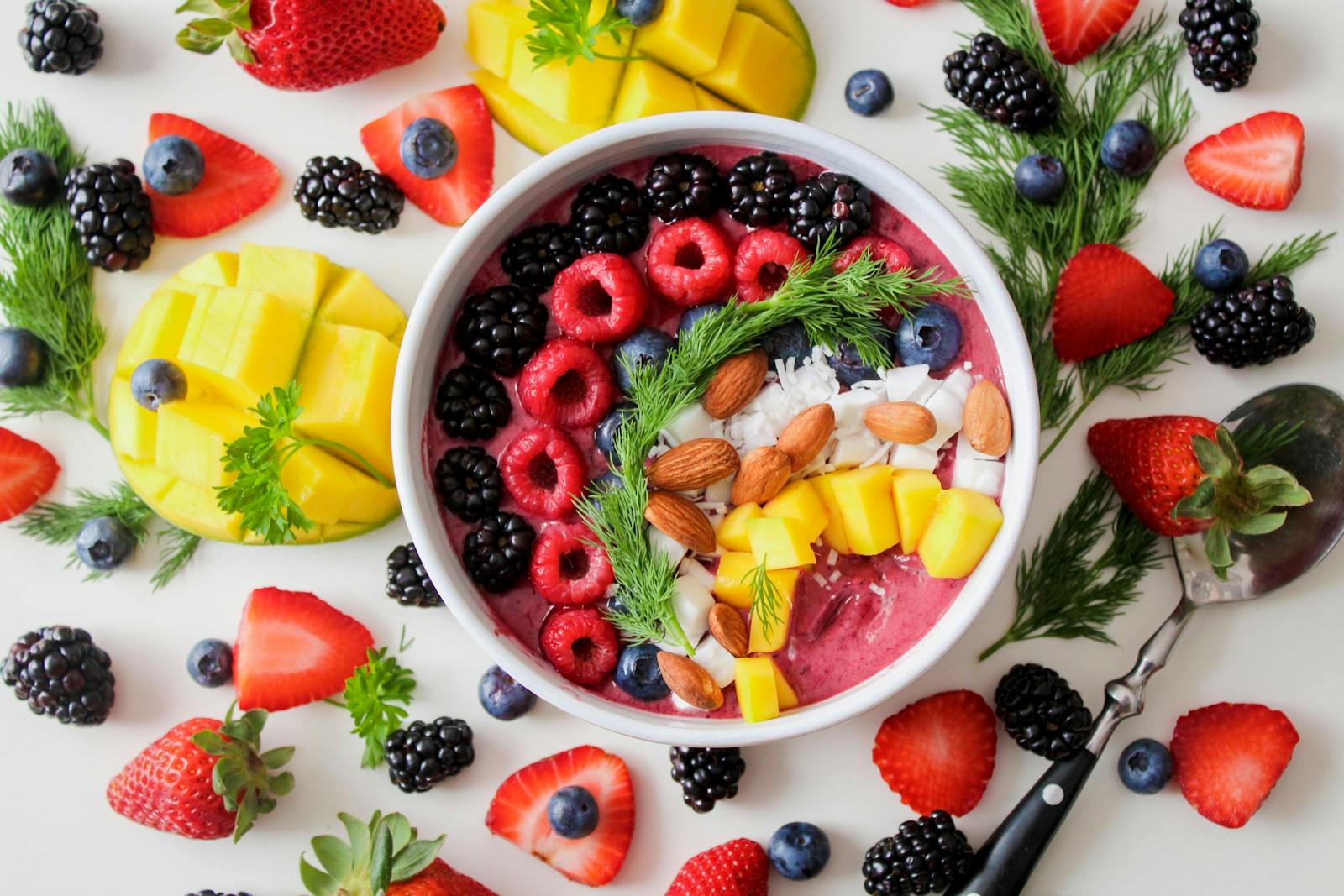
Search “cortisol reducing foods” and the internet hands you a list: dark chocolate, ashwagandha lattes, bone broth, fatty fish, a green smoothie with a name like “The Reset.” The implication is always the same. Eat the right things and a stress hormone quietly steps down. It’s a tidy story, and it’s part of the same wave that gave us cortisol belly, which we broke down in the first Real vs Hype piece. This is the food half of that question, and the honest answer is more useful than the list, even if it’s less satisfying. No food lowers cortisol the way a pill lowers blood pressure. But eating in a way that stops amplifying your daily cortisol swings is a real, researchable thing, and a handful of foods have genuine data sitting next to stress physiology, not just a wellness blogger’s say-so.
- No single food "lowers cortisol" on its own; cortisol is a rhythm, not a dial a snack turns down
- Food mostly touches cortisol indirectly, through blood sugar swings, sleep quality, and the gut-stress axis
- A short list of foods has real human data adjacent to stress physiology: omega-3-rich fish, fermented foods, magnesium-rich foods, and protein at breakfast
- Most "cortisol diet" lists (detox teas, adaptogen lattes, cleanses) are supplements wearing a grocery-store costume
- The useful goal is a plate pattern that steadies blood sugar across the day, not a shopping list you follow to the letter
What the "cortisol diet" trend claims
The pitch, in every version of this trend, follows the same shape. Cortisol is framed as a toxin. A specific food or drink is framed as its antidote. Eat the antidote, and cortisol drops, and with it the belly fat, the anxiety, the 3 p.m. crash, sometimes all three in one carousel post. The lists that circulate lean on the same rotating cast: fatty fish, dark chocolate, chamomile tea, ashwagandha-spiked lattes, fermented anything, magnesium gummies dressed up as food.
Some of those ingredients do show up in real research. That’s what makes the trend sticky. But the research rarely says what the caption says it says. A study finding that omega-3 supplementation blunted a stress-cortisol response in a lab setting is not the same claim as “eating salmon lowers your cortisol.” The gap between those two sentences is where a lot of marketing lives, and it’s worth reading carefully before you rework your grocery list around it.
How food actually touches cortisol
Cortisol runs on a daily curve, rising in the early morning and tapering by night, the same rhythm the cortisol belly piece covers in more depth. Food doesn’t reset that curve directly. It touches it through three indirect paths, and understanding them is more useful than memorizing an ingredient list.
The first is blood sugar. A meal that spikes glucose hard and then crashes it triggers a stress response as your body works to correct course, and that response involves cortisol. A pattern of blood-sugar swings across the day, sugary breakfast, energy crash, coffee, repeat, keeps nudging the system in a way a single steady meal wouldn’t. This is less about any one food and more about the shape of the swing.
The second is sleep. Late caffeine, alcohol close to bedtime, and heavy meals too close to sleep all interfere with sleep quality, and poor sleep is one of the more reliably documented ways the cortisol curve stays elevated in the evening when it should be dropping. Food’s effect on cortisol here is really food’s effect on sleep, one step removed.
The third is the gut-stress axis, the same territory covered in the piece on gut changes that show up around 42. The gut and the stress-response system communicate constantly, and diet quality, especially fiber and fermented-food intake, is an active area of research into how that communication plays out. It’s a real, if still-developing, line of evidence, not a settled mechanism you can promise results from.
Ultra-processed food, blood-sugar swings, late caffeine, and alcohol before bed share one thing in common: each one makes it harder for your cortisol curve to reset overnight. None of them "raises cortisol" in a dramatic single-meal way. The effect shows up over weeks of the pattern repeating, which is also why no single "cortisol food" reverses it in one sitting.
The foods with real adjacent evidence
A short list of foods does have human research sitting next to stress physiology. Each one comes with a hedge, because that’s what the actual data supports.
Fatty fish and omega-3s. Trials using roughly 2 grams of combined EPA and DHA in adults under sustained stress have reported smaller cortisol spikes in response to a stress test, compared to a placebo group. That’s a real, specific finding. It’s not the same as “salmon lowers your cortisol at dinner.” The trials used a measured supplemental dose in people already under study conditions, and the effect was on the size of a stress response, not baseline cortisol. Still, working salmon, sardines, or mackerel into the week has other well-established upsides, so it’s a reasonable food to lean into.
Fermented foods. Yogurt, kefir, sauerkraut, and kimchi feed the gut-stress axis mentioned above. Research on fermented-food intake and markers of stress and inflammation is real but early, mostly small trials and observational data. The honest framing is “may support the gut-brain communication involved in stress regulation,” not “ferments cut your cortisol.”
Magnesium-rich foods. Leafy greens, pumpkin seeds, beans, and dark chocolate in moderate amounts supply magnesium, a mineral involved in the nervous system’s stress-response machinery. Deficiency is linked to poorer stress resilience in observational research, which is a case for not running low, not a case that more magnesium than you need lowers cortisol further.
Protein at breakfast. This one is less about cortisol directly and more about the blood-sugar path above. A protein-forward breakfast, the same 25 to 30 grams covered in the five small habits piece, blunts the glucose swing that can trigger a stress response later in the morning. It’s one of the more mechanically clear items on this list, precisely because the pathway is blood sugar, not some mysterious direct hormone effect.
None of these are cures, switches, or replacements for sleep and stress management. They’re foods with a real, hedged, adjacent connection to the systems that influence cortisol, which is a meaningfully different claim than “lowers cortisol.”
The "cortisol diet" lists worth ignoring
Most of what circulates under “cortisol diet” isn’t food research at all. It’s supplements wearing a grocery aisle’s clothing.
Detox teas promise to “flush cortisol,” which isn’t how cortisol clearance works; it’s metabolized by the liver on its own schedule regardless of what tea you drink. Adaptogen lattes, the ashwagandha or reishi blends sold as a coffee replacement, are really a supplement dose delivered in a warm cup, and the studies behind those herbs measure self-rated stress, not the beverage someone’s selling. A “cortisol-friendly” cleanse or reset program is usually a calorie-restricted eating plan with a hormone story attached to make it sound more sophisticated than a diet.
The tell is the same one from the cortisol belly piece: when a product’s entire pitch rests on a hormone you can’t see or measure yourself, the confidence is coming from the marketing, not from a blood draw. If a “cortisol food” list reads more like a supplement funnel than a grocery list, it probably is one.
Start with the free 34-symptom guide
Before reworking your diet around "cortisol foods": know what's actually driving the energy dips, cravings, and sleep changes you're trying to fix. Our free guide maps the 34 documented perimenopause symptoms, including the ones people blame on cortisol, to the hormone behind each, with what the research says actually helps. No product pitch, delivered instantly.
- All 34 symptoms with the underlying mechanism
- What the human research actually supports for each
- When to ride it out vs when to talk to a doctor
What the desk would actually eat
Skip the shopping list and build a plate pattern instead, since that’s what the evidence actually supports.
Anchor breakfast with protein. Steadying the first blood-sugar swing of the day sets the tone for the rest of it, and it’s the habit with the clearest mechanism on this whole page.
Work in fatty fish and fermented foods a few times a week, not as a cortisol fix, but as two food groups with genuine, if modest, research behind the stress-adjacent systems they touch.
Stop stacking the things that amplify the swing. Late-afternoon caffeine, alcohol in the two or three hours before bed, and meals built almost entirely around refined carbohydrate are the pattern most reliably tied to a rougher overnight cortisol curve. Pulling those back does more than adding any single “superfood” on top.
Treat this as an after-40 conversation, not a generic one. As estrogen shifts through perimenopause, insulin sensitivity often moves with it, which means the same blood-sugar swing that was a non-event at 32 can hit harder at 45. That’s part of why the plate pattern matters more in this decade than a list of individual ingredients. The hormonal side of that shift is covered in full in the perimenopause symptom guide.
None of this replaces sleep, movement, or stress recovery, which still do more for the cortisol curve than any plate. Food is the supporting piece, not the lead.
When to see a doctor
This is information, not a diagnosis, and no amount of dietary change fixes an actual cortisol disorder. See a doctor if you notice rapid or unexplained weight change around the midsection paired with a rounder face, a fatty pad at the upper back, easy bruising, purple stretch marks, or muscle weakness, since that specific cluster points to a genuine cortisol disorder that needs medical diagnosis and treatment, not a diet change. Also seek care for persistent exhaustion that rest doesn’t touch, new high blood pressure, or a mood low enough to disrupt daily life. If restrictive eating around a “cortisol diet” starts to feel less like a food pattern and more like a rulebook you can’t step outside of, that’s worth raising with a doctor too; a fear-based relationship with food is its own problem, whatever hormone gets blamed for it. And before adding any supplement marketed for cortisol, run it past your own doctor or pharmacist, especially alongside other medications.
There’s no food that lowers cortisol the way a pill lowers blood pressure, and any list promising that is selling a story, not a mechanism. What the research actually supports is smaller and less dramatic: a handful of foods with real, hedged evidence next to stress physiology, and an eating pattern that stops amplifying the swings your body is already managing. That’s a quieter claim than the trend makes. It also happens to be the true one.
This article is for informational purposes only and is not medical advice. Statements about supplements have not been evaluated by the Food and Drug Administration. Speak with your physician before starting any new regimen.